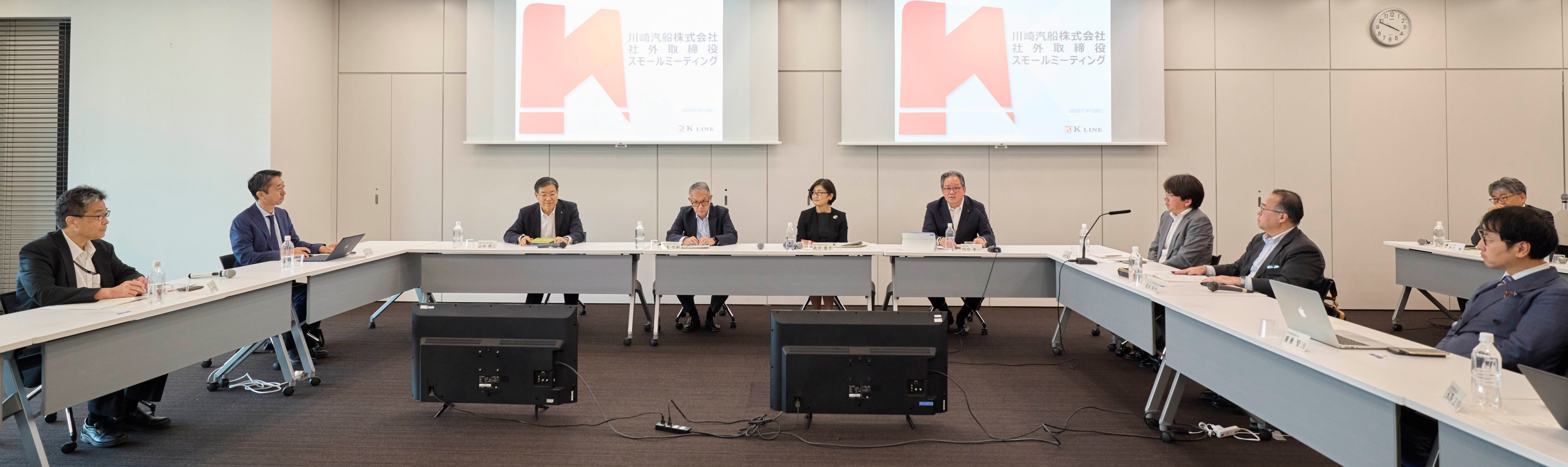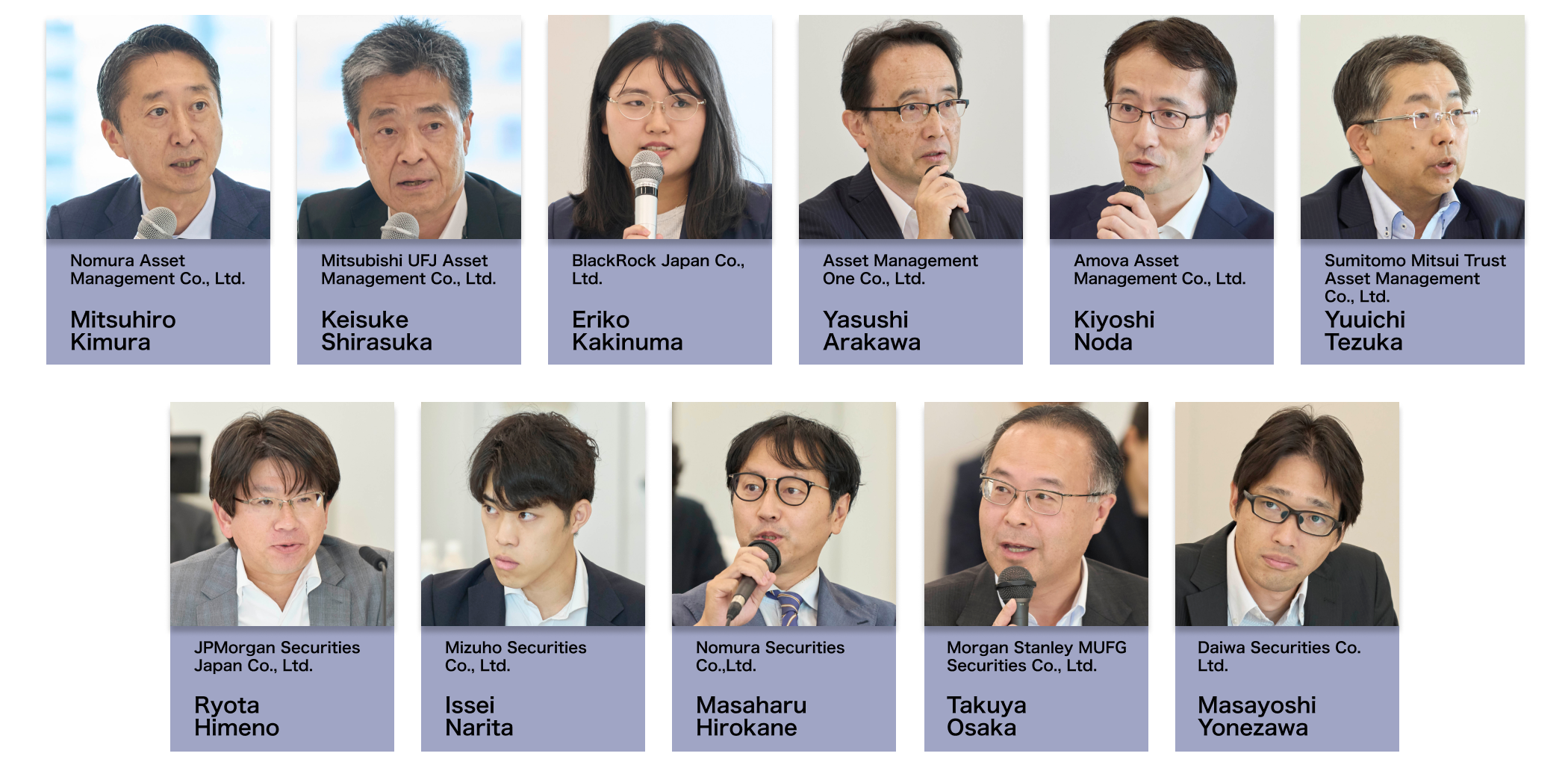
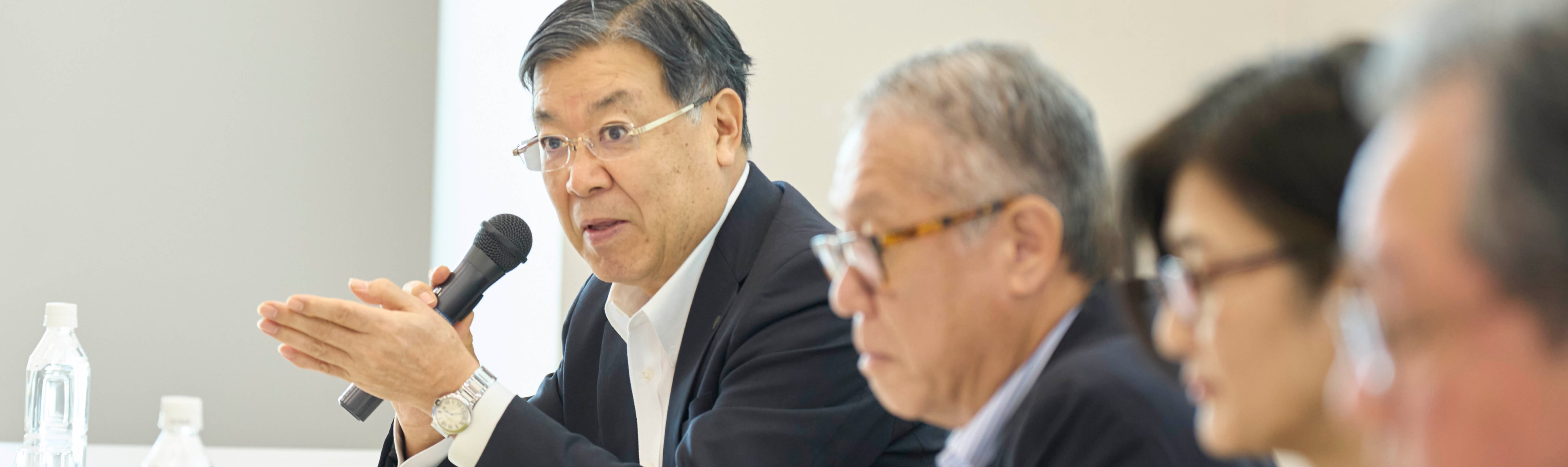
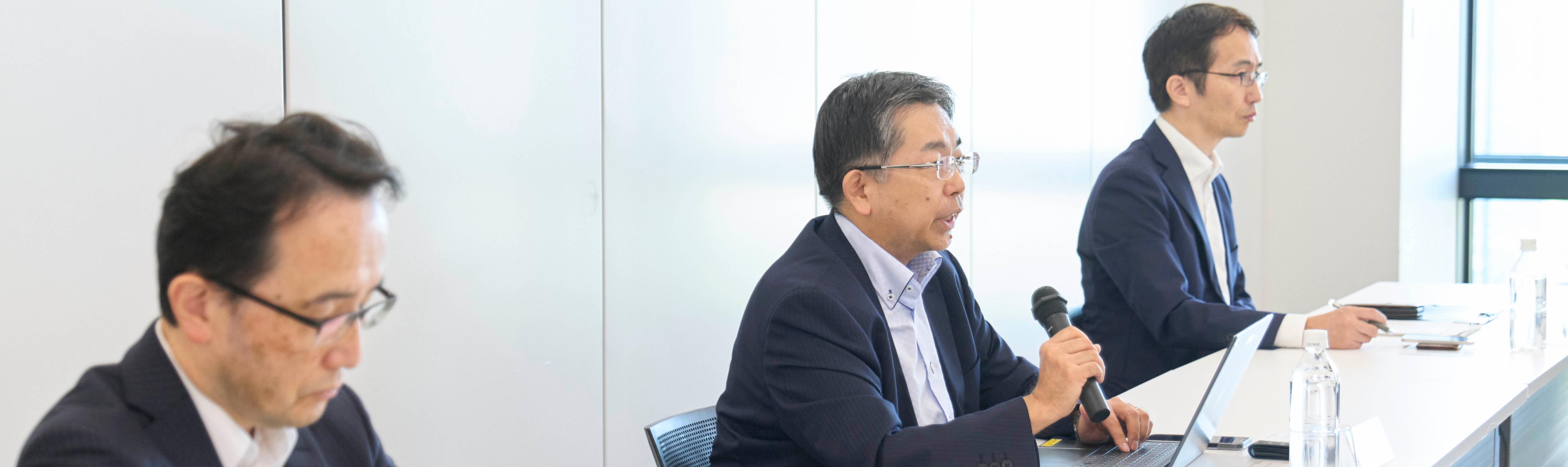
On March 28, 2025, Kawasaki Kisen Kaisha, Ltd. (“K” Line) held an Extraordinary General Meeting of Shareholders and shifted its corporate governance structure from a Company with an Audit and Supervisory Board to a Company with a Nominating Committee, etc. To facilitate an exchange of views and sharing of information on the situation following this transition and the outlook going forward, a small discussion meeting was convened with participation from the (non-executive) chairperson of “K” Line’s Board of Directors, several of its outside directors, as well as some institutional investors and analysts.
Himeno : “K” Line held an Extraordinary General Meeting of Shareholders on March 28, 2025, and changed its corporate governance structure to a Company with a Nominating Committee, etc. What was the objective behind renewing “K” Line’s governance framework?
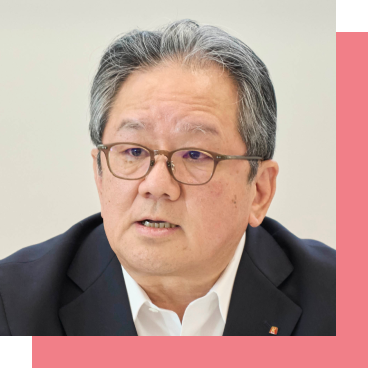
Myochin : The primary purpose of transitioning to a Company with a Nominating Committee, etc. was to clearly separate the execution of business and supervision. Amid radical changes in the business environment, we have delegated substantial authority to the executive team and established a system that enables appropriate risk-taking, swift decision-making, and timely execution. By ensuring solid supervision over execution through the three committees (Nominating, Audit, and Compensation), we aim to secure management transparency, enhance our ability to respond to change, and strengthen the governance framework toward maximizing corporate value.
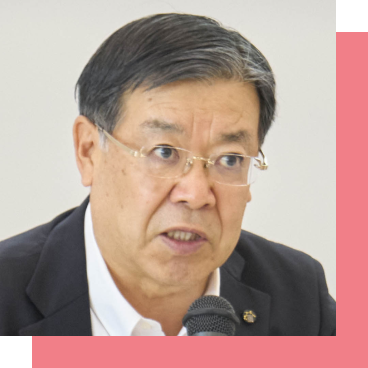
Yamada : Now that six months have passed since the transition, each committee has begun establishing more full-fledged initiatives. As an outside director, I have long raised viewpoints and opinions at Board meetings, but I am now in a position to receive internal reports as part of my participation in each committee and evaluate them. Given that each committee’s evaluations influence discussions and decisions by the Board, the role carries significant weight. However, rather than simply leaving everything to the executive team, we are currently in a phase of carefully listening to their explanations and engaging in collective discussion. We are deliberating broad issues such as how to approach new business fields, and through cumulative efforts we hope to elevate the new system to a certain standard.
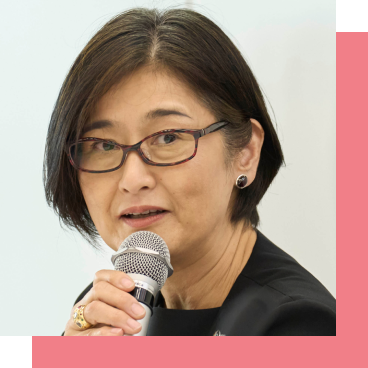
Masai : The Compensation Committee is working on designing appropriate incentives aimed at enhancing corporate value over the medium to long term, etc. “K” Line revised its compensation system in 2023 and has implemented mechanisms and systems that ensure high transparency. Then on top of this, we recently adopted the corporate governance structure of a Company with a Nominating Committee, etc. So we are now expected to pursue initiatives with even greater effectiveness through the committees.
There are three principles in operating the Compensation Committee. With the transition, we can now secure global talent, design incentives aligned with management targets, and implement disincentives for misconduct. Leveraging this advanced committee structure—which is quite progressive by Japanese standards—we will operate in line with the Medium-term Management Plan and management objectives.

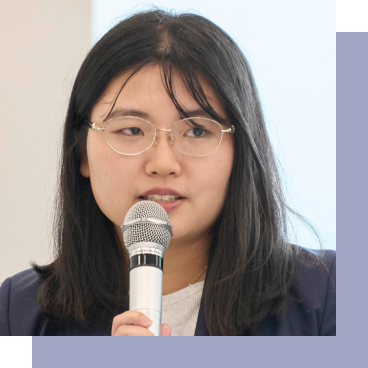
Kakinuma : As you have all mentioned, I believe the Board will focus on broad-scope matters, while other matters will generally be entrusted to the executive team. However, particularly with regard to investment management, being overly strict may prevent appropriate risk-taking. From your perspectives as outside directors, how do you view the “K” Line’s balance between offensive and defensive measures? Also, what areas still require further advancement in management control?
Yamada : The shipping industry is highly volatile, making it essential to maintain a stable financial base while also making swift decisions and taking prompt action in response to changing conditions. For example, during the establishment of the current Medium-term Management Plan, no one could have predicted the post-COVID improvement in OCEAN NETWORK EXPRESS (ONE)’s profitability. Among the three major Japanese shipping companies (“K” Line, MOL, and NYK), ours is the smallest in scale. Therefore, while supervising and evaluating from a medium- to long-term perspective, we must also advance the way we encourage swift decision-making and action on the part of the executive team.
Hirokane : What aspects of Board discussions do you feel have deepened or progressed compared with before?
Myochin : The operation and discussions of the Board have changed. Whereas we previously discussed individual projects and small-scale investments, discussions have progressed to how we approach businesses in line with overall business policy, and how we create business strategies that consider our portfolio and capital structure from a broader perspective.
Yamada : The Board used to be a venue for merely deciding yes or no on individual proposals. Basically, the discussions are about “Here is the proposal, and from an investment/discipline standpoint, it looks like this; what do you think?” Now our discussions are more strategic: how to steer the Company as a whole, and in what direction. We are still in a trial-and-error stage, but for example, discussions about ONE and optimal capital structure are shifting direction.
Kotaka : From our standpoint, when it comes to strategy, we would like to spend more time discussing higher-level issues such as the Company’s overall direction and how it should conduct business.
Masai : Regarding corporate governance structure, people often ask how outside directors should be involved or contribute in their capacity as outside directors. But from the opposite perspective, it is only when the responsibilities of the executive team become clear and leadership is exercised that we, as an supervision body, can truly function. Both the executive and supervision teams are increasingly changing their understanding to this. Among the three Japanese shipping companies, only we have adopted a corporate governance structure flexible enough to seek talent both in and outside the Company. While the shortage of talent is a shared challenge among Japanese companies, there will come a time when we can demonstrate an advantage. Through committee operations, we will pursue that advantage. We want to support the executive team in transforming how they think about talent pools and HR systems, and to monitor this thoroughly.
Hirokane : Considering your role as outside directors, isn’t it difficult to supervise or evaluate matters such as volatility unique to the shipping industry, views on capital cost, and optimal capital structure for shipping company etc., without a deep understanding of the industry and its characteristics?
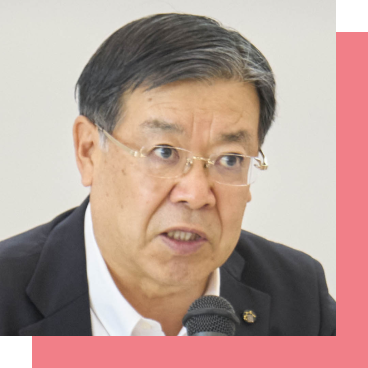
Yamada : For example, no one, no matter of how long they had been in the shipping industry, could have predicted ONE’s post-COVID improvement in profitability. The role of outside directors is to express opinions from a shareholder’s perspective, differing from the executives’, and for the executives to provide explanations and shape direction in response. This helps eliminate misalignment between executives and shareholders and allows everyone to work together toward maximizing corporate value. Otherwise, if we were only looking for those knowledgeable about the shipping industry, then internal directors alone would suffice.
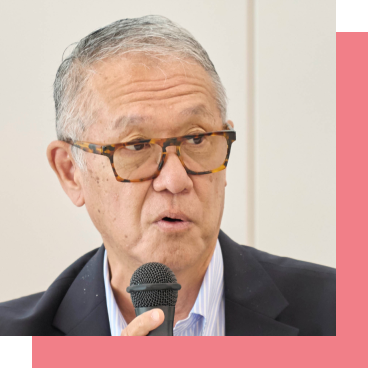
Kotaka : I had no prior expertise in the shipping industry either, but I hope to contribute particularly in investment and risk management by leveraging my background in finance.
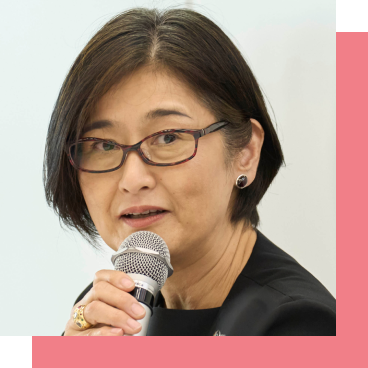
Masai : My situation is the same. I have been involved with the markets—particularly leveraged markets—for many years, and I hope to make use of that expertise along with the roughly 20 years I spent working at foreign-affiliated companies. A key role of outside directors is to raise the simple question “Why are we doing this?” and challenge assumptions that may be considered common sense within an industry or company. I would like to continue valuing that instinct to ask why.
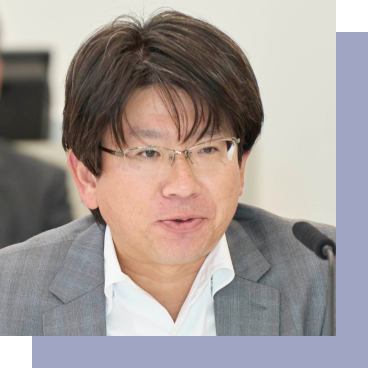
Himeno : The Nominating Committee is usually expected to contribute to strengthening management discipline. There are expectations for its involvement in succession planning, enhancing that process, and conducting evaluation interviews as part of the CEO reappointment review, etc.
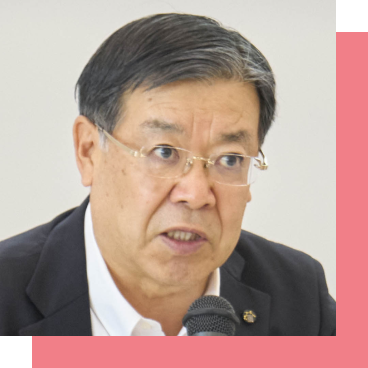
Yamada : At Board meetings, management explains the Company’s current situation, future direction, approach, and background, and other relevant matters. In the Nominating Committee, we examine whether there are any inconsistencies with that and whether these matters contribute to enhancing corporate value. In that context, while we ask the CEO and executive officers to provide as broad an explanation as possible, we are also developing a system that enables us to design succession plans from a medium- to long-term perspective. We cannot recommend appointments unless there is a coherent pathway linking personnel matters, development, career paths, and succession. This is an area where, in coordination with the executive team, the Nominating Committee needs to take a deeper role.
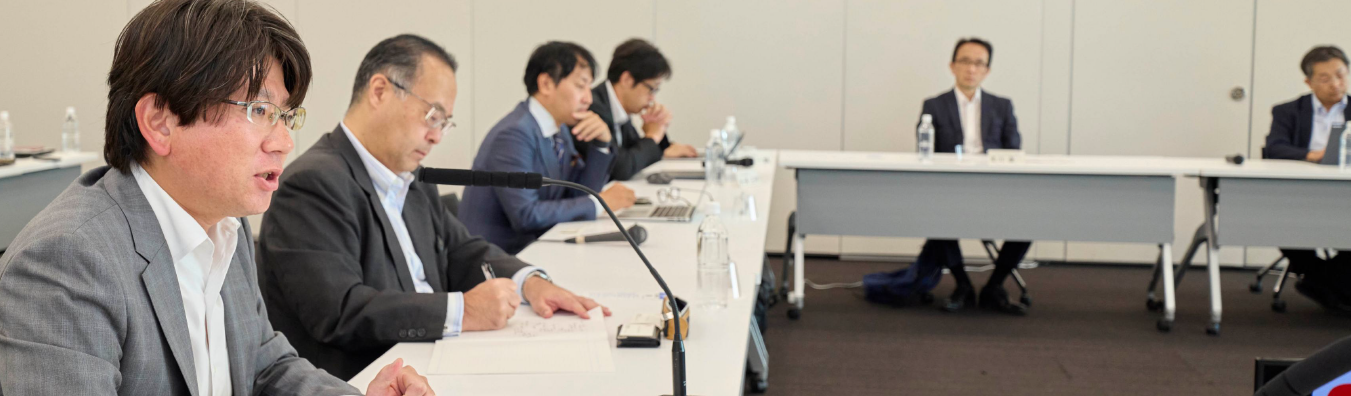

Tezuka : In succession planning, the individuals selected will differ depending on the requirements—such as the qualities and aptitudes needed of the CEO or executive officers—and depending on the time horizon of five or ten years from now. Does the Nominating Committee discuss development plans, etc., from a long-term perspective, taking into account future changes in the external environment?
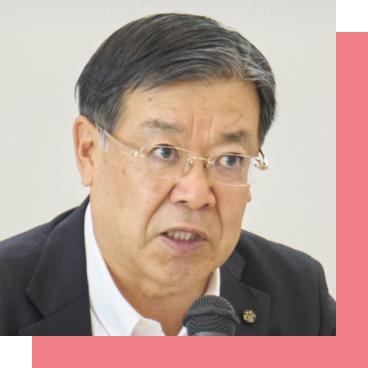
Yamada : As you noted, we are discussing human resource development from a long-term perspective. Specifically, we look at how to cultivate managers with the leadership needed to guide the Company, while having expertise in the business and an accurate understanding of the current situation. However, because “K” Line has separate business divisions, we must incorporate into our policies perspectives such as: to what extent a potential CEO needs knowledge of a particular business; whether a viewpoint that elevates the entire company is preferable; and whether the person should be a specialist or a generalist. In doing so, it is necessary for Human Resources to set out a broad personnel development policy, create career paths under that policy, and map individuals into those paths. The Committee then assesses that overall picture and makes appointments based on that assessment.

Tezuka : I take it this means that while redefining the role of the HR department, you are seeking to cultivate management talent through backcasting. Rather than merely confirming the status of HR’s talent management, you would like the Nominating Committee to discuss at the Board level whether this aligns with the future policy for developing management talent, and to ensure robust monitoring.
Let me also ask, based on evaluation conducted by the Compensation Committee, how do you verify whether the resulting compensation constitutes an appropriate incentive framework that will contribute to corporate value creation and be suitable from a medium- to long-term perspective? How do you assess this, and how do you plan to make improvements? For example, if opinions were collected in the Board’s effectiveness evaluation survey and the responses disclosed, investors could more easily understand whether the incentive framework is appropriate.
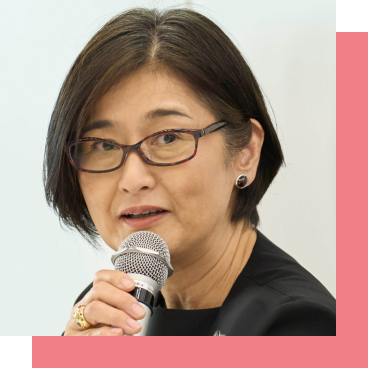
Masai : Thank you for expressing your important insights. As mentioned earlier, we have been operating an advanced compensation system since 2023. We are currently discussing two questions: how to ensure that the system is appropriate from the perspective of investors and society, and how we should disclose and share that information. For the first question, we aim to proceed on the premise that the compensation framework must remain adaptable, while keeping in mind investor and societal expectations, ensuring there is no misalignment. We must also verify that the management direction aligns with the incentive framework, drawing on external expertise where appropriate. Regarding the second question of disclosure, the method you mentioned—creating a question about this in the Board’s effectiveness evaluation survey and disclosing the responses—is one possible approach, and we would like to take it into consideration.
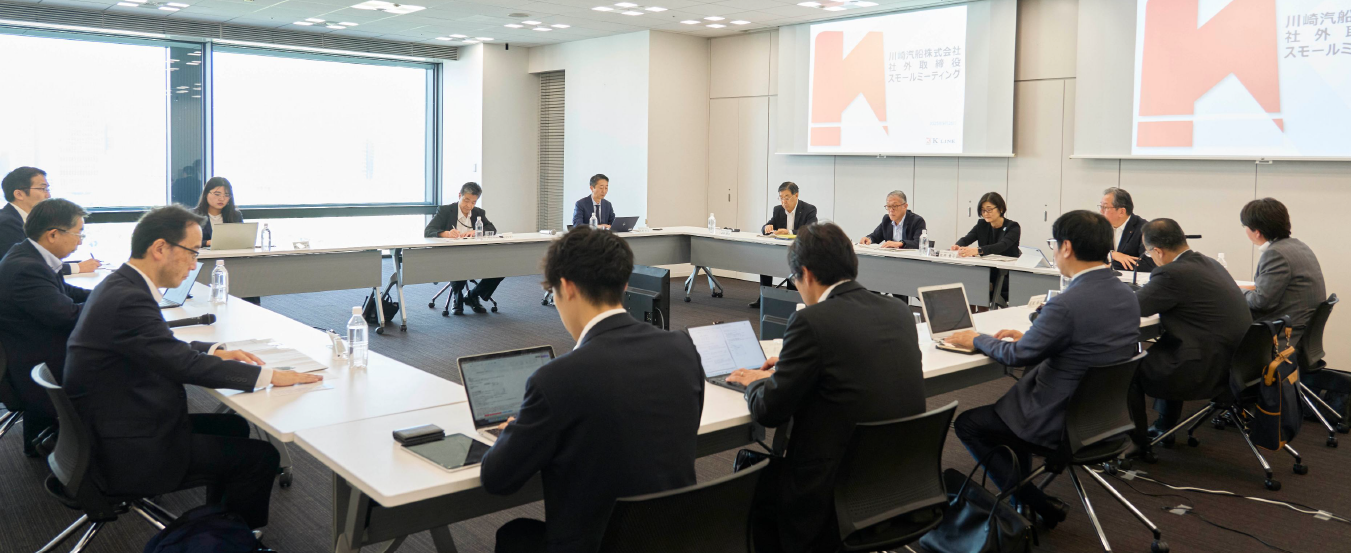
Kimura : Could you also explain the selection process when President Igarashi was appointed in March 2025? Additionally, what aspects will the Board examine when considering future reappointment?
Yamada : At that time, the voluntary Nominating Committee narrowed down the candidates, conducted interviews with each one, and then made the decision. President Igarashi was unanimously supported based on factors such as his leadership, expertise in the shipping industry, and clear intellect as reflected in his ability to respond effectively at shareholder meetings, etc. For his reappointment, performance evaluation will be the basis, while also being mindful of shareholders’ perspectives. However, there is room for discussion on what term length should be established. To align the perspective on term length with the view on short-term performance under a unified evaluation axis, we will look at, for example, whether leadership is being demonstrated in line with the direction of the Medium-term Management Plan, using strengthened monitoring and supervisory functions.
Arakawa : Listening to the discussion on succession, I am interested in whether “K” Line can foster personnel who can deliver results in each business area that the executive team puts forward as part of its growth strategy. Also, given the growing social focus on human capital management, how does the Nominating Committee view the actions of the executive team? As the Medium-term Management Plan lays out the Company’s future direction, changes in the business environment may lead to cases where talent must be developed internally or hired externally. What are your thoughts on these forward-looking human resource development initiatives?
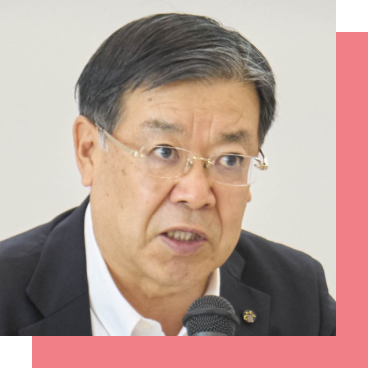
Yamada : When considering new business domains going forward, it is not only facilities and the Company itself that must advance; investment in the people who drive those businesses is also essential. We intend to evaluate these investments carefully and without haste. Furthermore, as for “K” Line’s approach, I believe that our strategy of competing based on the strengths derived from our core business knowledge—even for areas such as Carbon Capture and Storage (CCS), and offshore wind—is the correct one. The Nominating Committee will also provide input on the need to consider long-term human resource strategies aligned with these business strategies.
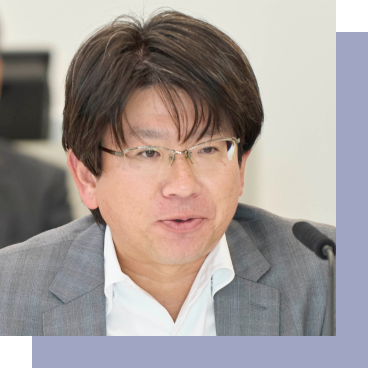
Himeno : How do you assess senior management’s attention to capital cost and progress toward achieving a PBR of 1.0?
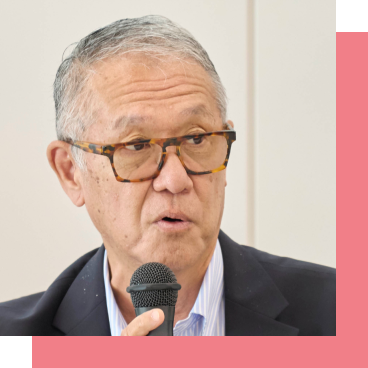
Kotaka : The investment proposal materials, etc., submitted to the Board are quantitatively analyzed, and I believe that awareness of capital cost has permeated from senior management down to frontline operations. As for achieving a PBR of 1.0, both the Board and outside directors are always mindful of this and discuss it regularly.
What we regard as most important in the Medium-term Management Plan is how to grow the three businesses that generate stable returns—Coal & Iron Ore Carrier, Car Carrier, and LNG Carrier. Because Containership Business is highly volatile and has a significant impact on our income statement and balance sheet, we are managing investments with discipline, keeping capital efficiency firmly in mind. That said, ONE is supervised by all three Japanese shipping companies, so one challenge is how to form consensus and make ONE’s management more efficient.
For cash allocation, against an operating cash flow of 1.5 trillion yen, we have investment cash flow of 610.0 billion yen and shareholder return of 800.0 billion yen or more. The remaining portion—taking into account future changes in the business environment—is treated as “management allocation,” which may be used for deferred investments or shareholder returns. While we place strong emphasis on shareholder returns, I believe we could increase growth investment somewhat. To that end, it is important to find attractive investment opportunities, including M&A.
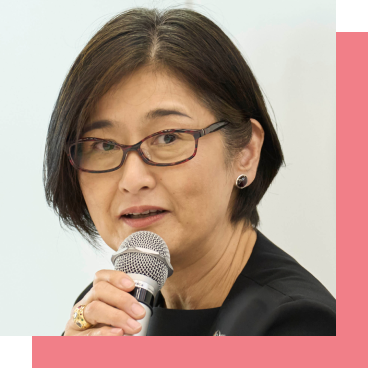
Masai : Regarding capital policy and optimal capital structure, Japanese shipping companies—including ours—are evaluated by the capital markets, and I believe the ultimate objective is how to stabilize volatility and continue earning investors’ confidence. To ensure the continuity of stable dividends under all conditions, the question is how much equity capital should be retained, and how much capital should be allocated to drive future growth. We have engaged in considerable debate on this allocation, but we recognize that the macro environment does not allow us to set a policy once and leave it at that. It is essential to continuously reassess capital allocation in line with changes in the broader external environment. I agree with Mr. Kotaka regarding the importance of growth investment.
Shirasuka : For optimal capital structure, I agree that in a highly volatile business it is important not to take a fixed view, but to review it constantly. On the other hand, is the Board discussing whether the current capital structure is truly optimal with a view toward the next three to five years, as well as how it is being validated?
Masai : Businesses with high volatility carry higher investment risk, so their portion should naturally be smaller. Conversely, equity capital should be maintained at a sufficiently robust level. Nevertheless, some argue that idle capital is wasteful because money that isn’t put to work doesn’t generate returns. This means appropriate judgment is required. At the same time, we must meet shareholder and market expectations through shareholder returns, and we must determine how much retained capital is necessary to meet those expectations consistently. For this inherent trade-off, we listen to the executive team’s explanations and make decisions based on circumstances as they change.
Tezuka : Each business likely has its own optimal balance between debt and equity on its balance sheet. Have your discussions become more in-depth concerning “K” Line’s optimal capital structure aligned with the risk profile of each business? I understand your policy of providing robust returns based on profits earned over the short term, but I feel there may be a shortage of future growth investment. For this investment, how much equity do you think needs to be injected? Given the actual volatility and future investments, is the current capital structure appropriate? If you could provide your explanation in two parts, namely (1) whether the capital balance for business investment is appropriate, and (2) whether financial assets outside that are excessive, it would help investors understand your strategy better.
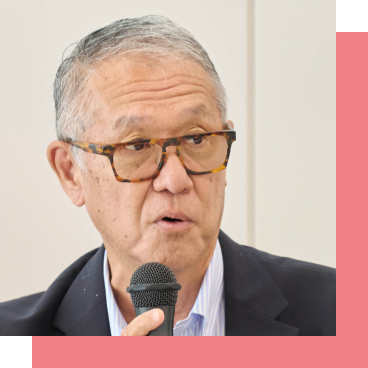
Kotaka : Regarding ONE, we consistently discuss its optimal standalone capital structure, and ONE itself analyzes this. For the other businesses, ideally we might consider capital allocation in a “sum-of-the-parts” manner, and perhaps we could examine capital allocation in more granular detail.
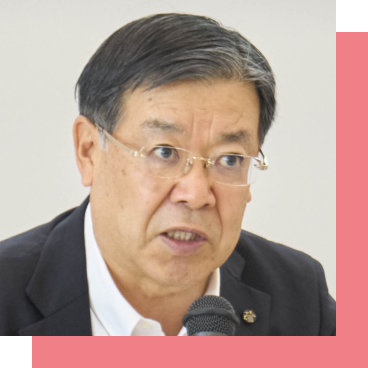
Yamada : Let me add to that. Looking at this by business, LNG Carrier, for example, involves very large investments. We calculate returns and the weighted average cost of capital (WACC) by applying risk rates, and we make investment decisions considering detailed risk conditions. Investments in the growth businesses under the Medium-term Management Plan are also made after calculating risk rates. This creates long-term stability and enables us to develop “K” Lineʼs own businesses while mitigating volatility.

Tezuka : Compared with ONE, which requires the consensus of the three Japanese shipping companies as shareholders, the stability of “K” Line seems unlikely to improve unless “K” Lineʼs own businesses expand further. In that sense, I wonder if you could deepen the discussion on how the balance of debt and equity in “K” Lineʼs own businesses can complement the performance of ONE.
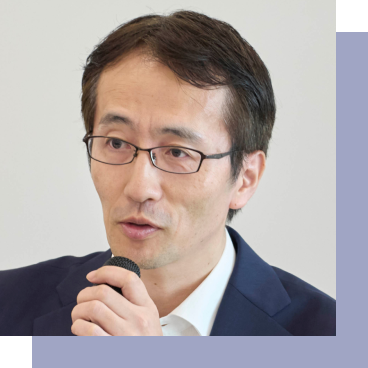
Noda : Compared with the executive team, outside directors are positioned somewhat at a distance from ONE, as you are only in a position to receive reports, and your opinions are not directly reflected. As outside directors, what kind of presence does ONE seem to have in “K” Line’s management?
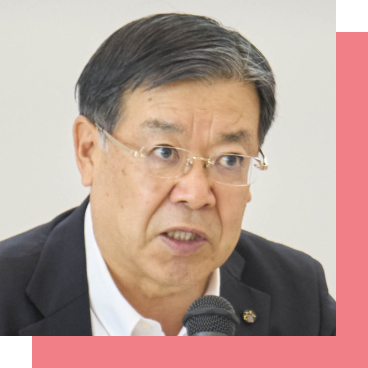
Yamada : What you say is true. In fact, in January of this year, we visited ONE, spoke with the CEO, and confirmed the situation. ONE’s presence is significant, and it affects the PBR as well. Precisely because of that, we have repeatedly urged the three shareholder companies to communicate thoroughly and ensure alignment with the frontlines.
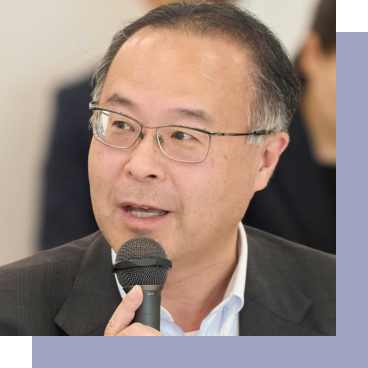
Osaka : Today’s meeting has renewed my recognition of ONE’s importance. It has a presence so large that it requires the most stringent risk management, yet it remains difficult to see how much profit it can generate and how things will develop going forward. I would really like to see greater information disclosure on this.
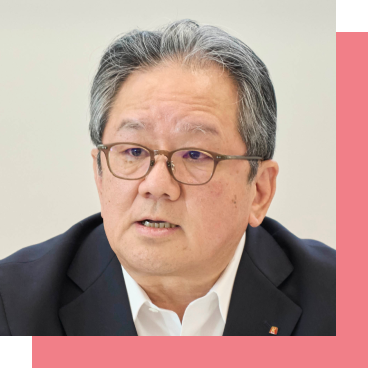
Myochin : I, too, would like to encourage the executive team to enhance disclosure. Thank you very much for taking the time today to engage in direct dialogue with us. We will provide feedback to the executive team so that the insights and observations received today can be reflected in “K” Line’s management, and we will work toward maximizing corporate value and achieving a PBR of 1.0 or more. We appreciate your continued support.